Avoid parking fines when moving in Bowes Park
Posted on 18/06/2026
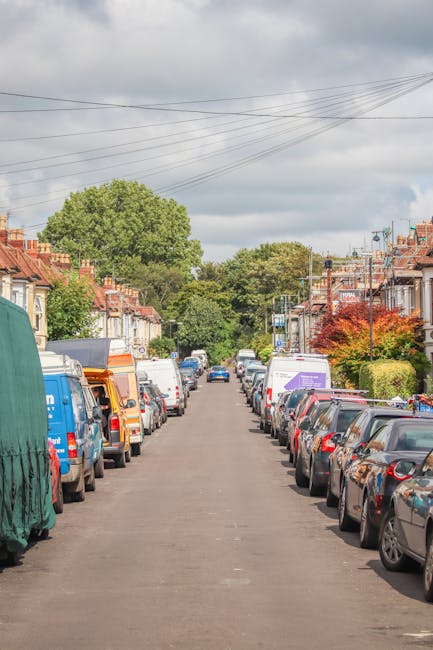
Avoid parking fines when moving in Bowes Park: a practical guide for a smoother move
Moving day in Bowes Park can feel busy enough without a parking ticket turning up on top of everything else. Between boxes, furniture, timing, neighbours, and the van itself, parking is one of those details that people think they can sort out "on the day". Then the road is narrower than expected, the loading space is already taken, and suddenly everyone is awkwardly carrying a sofa half a street further than planned. Not ideal.
This guide is here to help you avoid parking fines when moving in Bowes Park with sensible, local, real-world advice. We'll cover how parking restrictions can affect a move, what to check before the van arrives, how to reduce risk on tighter streets, and what to do if your move is complicated by flats, stairs, or access issues. If you want a calmer moving day and fewer nasty surprises, you're in the right place.
Why avoiding parking fines matters
A parking fine can do more than dent your budget. It can slow the whole move down, create stress between you and the movers, and force last-minute decisions that make the day messier than it needs to be. In Bowes Park, that matters because many moves involve a tight time window, limited roadside space, and neighbours who also need access to the street.
To be fair, the fine itself is only part of the problem. The bigger issue is the chain reaction: a van parks too far away, carrying gets slower, loading time stretches, and people start improvising. That's when small mistakes become expensive ones. If you've ever watched a removal trolley bump over uneven pavement while the driver checks the clock, you'll know the feeling.
Good parking planning is really about protecting three things: your money, your time, and your momentum. A move that stays organised tends to feel calmer too, which is why people often pair parking preparation with broader planning advice like stress-free relocation tips for homes and packing ideas that keep moving day under control.
How avoiding parking fines when moving in Bowes Park works
The basic idea is simple: you reduce the chance of a penalty by understanding where the van can stop, how long it can stay there, and whether the chosen spot works for unloading. In practice, that means checking the street layout, timing your arrival carefully, and planning around any restrictions that may apply at the address.
For a typical domestic move, the parking plan should answer a few questions before the first box is lifted:
- Can the removal van stop close enough to the entrance?
- Will the van block traffic, a driveway, or another permit bay?
- Is the street likely to be busy at the time of day you're moving?
- Will there be space for doors to open safely and furniture to pass through?
- Do you need extra time for flats, stairwells, or awkward furniture?
That's where local familiarity matters. Bowes Park includes roads where parking is straightforward and roads where everything feels a bit compressed. Around busier access points, near stations, or on narrower residential streets, the difference between a smooth move and a stressful one can come down to a few metres of kerb space.
If your move involves a flat or a more complicated access route, it is worth thinking about vehicle size early. A smaller vehicle may be easier to place, while a larger one can reduce trips but be trickier to park. Articles such as moving near Bowes Park Station and Myddleton Road access and parking tips can help you think through the local geography in a practical way.
Key benefits and practical advantages
When you plan parking properly, the payoff is not just avoiding a ticket. The day runs better in a handful of very ordinary but important ways.
- Less stress: You are not guessing where the van will go while everyone is already carrying furniture.
- Faster loading and unloading: Shorter walking distances make a real difference, especially with boxes and heavy items.
- Lower risk of damage: Fewer awkward turns, fewer trips across the road, less chance of bumping furniture or walls.
- Better neighbour relations: A tidy parking plan tends to be less disruptive. People notice that, even if they don't say much.
- Lower chance of extra costs: Fewer delays can mean fewer add-on charges, especially if timing is tight.
There is also a quieter benefit that people often underestimate: mental bandwidth. If you know where the vehicle is going and how the unloading will happen, you can focus on labels, keys, children, pets, or the fact that the kettle has gone missing again. Yes, the kettle. It always does.
For homeowners, tenants, students, and landlords, parking control is one of the easiest parts of the move to improve. And it is definitely easier than trying to carry a mattress from the wrong side of the road in the rain. If you're moving larger pieces, the advice in handling bulky sofas on Bowes Park roads can be especially useful.
Who this is for and when it makes sense
This advice is for almost anyone moving in or out of Bowes Park, but it matters most in a few specific situations.
- Flat moves: Where the van needs to stop close to stairs, a lift, or a narrow entrance.
- Family home moves: Where there are more boxes, more furniture, and more time pressure.
- Student moves: Usually quicker, but often last-minute and full of small mistakes if parking is ignored.
- Office relocations: Often time-sensitive and more likely to involve multiple people arriving at once.
- Same-day or short-notice moves: Less time for planning means parking decisions need to be sharper, not looser.
If you are the person coordinating everything, this becomes even more important. You'll want to know whether you can reserve enough curb space through lawful means, whether the street has loading restrictions, and whether another vehicle is likely to block the move. A lot of people only discover these issues once the van is already outside. Not a great moment.
In Bowes Park, the streets around busier routes or near transport links can require more careful coordination than people expect. If the move is time-critical, services like same-day removals in Bowes Park may still work well, but parking planning becomes even more important in those cases.
Step-by-step guidance
Here is the most practical way to reduce parking risk on moving day. It is simple enough to follow, but detailed enough to save you from the usual headaches.
- Check the street conditions the day before. Walk the road if you can. Look for signs, bay markings, yellow lines, dropped kerbs, driveway access, and any obvious pinch points.
- Estimate the vehicle size you actually need. A huge van is not always the answer. If the road is tight, a more manageable vehicle can make the day far easier.
- Decide where loading should happen. The shortest legal stop is usually best, but only if the driver can stay there safely and without blocking access.
- Build in timing slack. Arriving too early can be as annoying as arriving late, especially if neighbours are still using available space.
- Tell the movers about awkward access. Give them the honest version. If the road is narrow, say so. If the walk from van to door is longer than usual, say that too.
- Protect the first unload zone. Keep the entrance clear, move bins or loose items if needed, and make sure somebody can direct the team.
- Have a backup plan. If the ideal space is taken, know the next-best place before the van arrives.
One small but useful habit: take a photo of the parking area and the street signs the evening before. It sounds slightly overcautious, maybe even a bit nerdy, but it saves time when everyone is on the phone asking, "Can we stop here or not?"
If you are still sorting the move itself, it can help to read about decluttering before relocating and preparing a spotless home before moving. Less clutter usually means faster loading, which in turn reduces how long the vehicle needs to stay parked.
Expert tips for better results
These are the little details that tend to make a bigger difference than people expect.
Use the right load order
Pack what you will need first near the back or most accessible part of the van, so the move in and out stays efficient. If you park well but unload badly, you still waste time. Parking and loading are a pair; they should be planned together.
Choose the least disruptive time window
Mid-morning can be easier than very early or late in the day, but every street is different. Let's face it, the best time is often the time when your road is least busy and your neighbours are least likely to need the space.
Think about the weather
Wet pavement slows everything down. A short walk from van to front door feels longer when cardboard starts softening and metal trolley wheels get a bit skittish. If rain is likely, give yourself a wider buffer.
Keep someone on parking duty
One person should watch the vehicle position and keep an eye on approaching cars. It doesn't need to be dramatic. Just one calm person who knows the plan.
Don't ignore the obvious alternatives
If the road outside your door is a bad fit, a nearby legal stopping point may work better. A slightly longer carry can still be better than a blocked street and a stressed driver. Small trade-off, big difference.
For heavier or awkward items, you may also want to consider the moving and lifting guidance in safe lifting advice for heavy objects and more efficient lifting techniques. The fewer unnecessary lifts you make, the cleaner the move tends to be.

Common mistakes to avoid
Most parking fines during a move are not caused by one huge error. They happen because of a few small assumptions that stack up. Here are the usual culprits.
- Assuming the van can stop anywhere for "just a minute". That is exactly how avoidable tickets happen.
- Not checking restrictions in daylight. Some signs are easy to miss when you're carrying boxes and thinking about key handover.
- Choosing a van without thinking about access. Bigger is not always better, especially on tight residential streets.
- Leaving it to the last minute. Moving day is not the time for improvisation. That's how stress grows legs.
- Blocking a neighbour's driveway or bay. Even if nobody complains immediately, it can cause trouble quickly.
- Overestimating how fast loading will go. The first ten minutes always feel optimistic. Then the sofa appears.
A surprisingly common issue is forgetting that a move is also a public-space event. You are not just dealing with your own front hall; you are sharing the street with traffic, residents, delivery drivers, and maybe someone trying to reverse at exactly the wrong moment. A little patience goes a long way.
Tools, resources and recommendations
You do not need fancy equipment to get this right, but a few practical tools help.
- Printed or digital move checklist: Keeps parking, keys, boxes, and handover details in one place.
- Phone camera: Useful for documenting bay signs, street layout, and arrival position.
- High-visibility vest or bright clothing for the parking guide: Simple, but helpful when directing a van around tight space.
- Trolley or sack truck: Reduces repeated lifts and shortens total loading time.
- Sturdy packing supplies: Better boxes mean fewer delays from broken bottoms or re-packing halfway through.
Useful planning also goes hand in hand with the right moving support. If you need a more flexible approach, pages like man and van in Bowes Park, removals in Bowes Park, and packing and boxes in Bowes Park can be useful starting points when you are planning the wider move. The best choice is the one that fits your access, timing, and budget, not the one that sounds flashiest.
Law, compliance and best practice
Parking enforcement in London is taken seriously, and moving day does not create a special exemption by default. The exact rules depend on the street, the signage, local restrictions, and whether any lawful parking or loading permissions apply. Because that can vary by location, it is sensible to treat every move as if parking restrictions matter from the start.
Best practice is to check the signs carefully, use only lawful loading areas, and avoid assumptions about what is "usually fine". A few minutes of reading the road markings is better than hours spent dealing with a penalty notice. If you are unsure about how long a vehicle may stop, whether loading is allowed, or whether a bay can be used, it is safer to plan conservatively.
There is also a general duty of care side to this. A move should not create avoidable hazards for pedestrians, neighbours, or other vehicles. That means keeping access clear where possible, not leaving ramps or boxes where people may trip, and making sure the van is positioned safely. This is especially relevant around busy routes and residential streets with narrow parking margins.
If you are organising a professional move, it is worth looking for a company that takes access planning seriously, not just one that promises speed. Good movers do not treat parking like an afterthought. They treat it as part of the job. That is usually the difference between a tidy move and a messy one.
Options, methods and comparison
There are a few different ways people handle parking on move day. Some are better than others, depending on the street and the size of the job.
| Method | Best for | Strengths | Watch-outs |
|---|---|---|---|
| Park directly outside | Short moves, quiet roads, fast loading | Shortest carry, simplest setup | Can be impossible on busy or narrow streets |
| Use the nearest legal loading point | Typical residential moves | Balances access and compliance | May add a few extra metres of carrying |
| Use a smaller vehicle | Tight roads or awkward access | Easier to position, often less disruptive | May require more trips if the load is large |
| Split the move into two phases | Big homes, shared access, or limited parking | Reduces time pressure on the day | Needs better scheduling and planning |
There is no single best method. A compact flat move near a station may benefit from a nimble van and a short loading window. A larger house move may work better with phased loading and a carefully chosen stopping point. The trick is matching the method to the street, not the other way round.
Case study or real-world example
Here's a very typical Bowes Park scenario. A couple move out of a first-floor flat on a residential road, and the van arrives slightly too early. The nearest space is already occupied, and the driver has to pause while someone checks for another lawful stopping point. Meanwhile, the hallway is full of stacked boxes and the bed frame is waiting by the door. Nothing dramatic, but you can feel the tension rising.
In the smoother version of the same move, the parking was checked the night before, the driver was briefed on access, and the heaviest furniture was loaded first. A neighbour still needed to reverse out halfway through, but because the team had a plan, the van was repositioned calmly and the move continued. Same street. Same kind of property. Very different mood.
The lesson? Most parking stress is not caused by the road alone. It is caused by uncertainty. When people know the plan, even a narrow street feels manageable. That's why articles like narrow street planning on Bounds Green Road and flat move checklists for Bowes Park landlords are so useful alongside direct parking preparation.
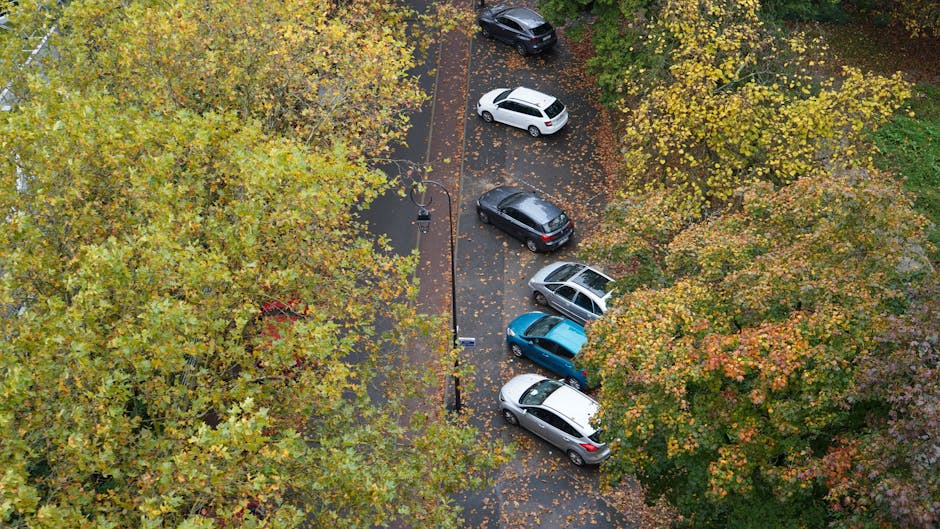
Practical checklist
Use this checklist the day before and again on the morning of the move.
- Check all parking signs near both properties.
- Confirm the best legal place for the van to stop.
- Note any restrictions, bay markings, or driveway access issues.
- Tell movers about stairs, lifts, gates, or narrow entrances.
- Keep the route from door to van as short and clear as possible.
- Set aside a backup parking option nearby.
- Prepare boxes and furniture so loading starts quickly.
- Assign one person to watch the parking position if possible.
- Have keys, paperwork, and phone numbers ready.
- Allow more time than you think you need. Honestly, that one helps most.
Expert summary: if you want to avoid parking fines in Bowes Park, the winning formula is simple: check the street in advance, choose the most practical legal stopping point, brief everyone clearly, and build in a little spare time. It's not glamorous, but it works.
If you also need support with item handling or timing, a look at insurance and safety and services overview can help you choose a move style that feels properly thought through.
Conclusion
Parking is one of those moving-day details that looks minor until it starts affecting everything else. In Bowes Park, a careful approach can save you money, protect your schedule, and make the whole move feel a great deal calmer. The best moves are rarely the ones that rush the hardest; they are the ones that are quietly prepared.
If you remember only one thing, make it this: plan the parking before the first box leaves the house. That one habit can remove a surprising amount of stress. And to be fair, on moving day, less stress is worth a lot.
Get a free quote today and see how much you can save.
When you're ready, a sensible move plan, a clear parking setup, and the right help can turn a nerve-racking day into something much more manageable. Small details. Big difference.